
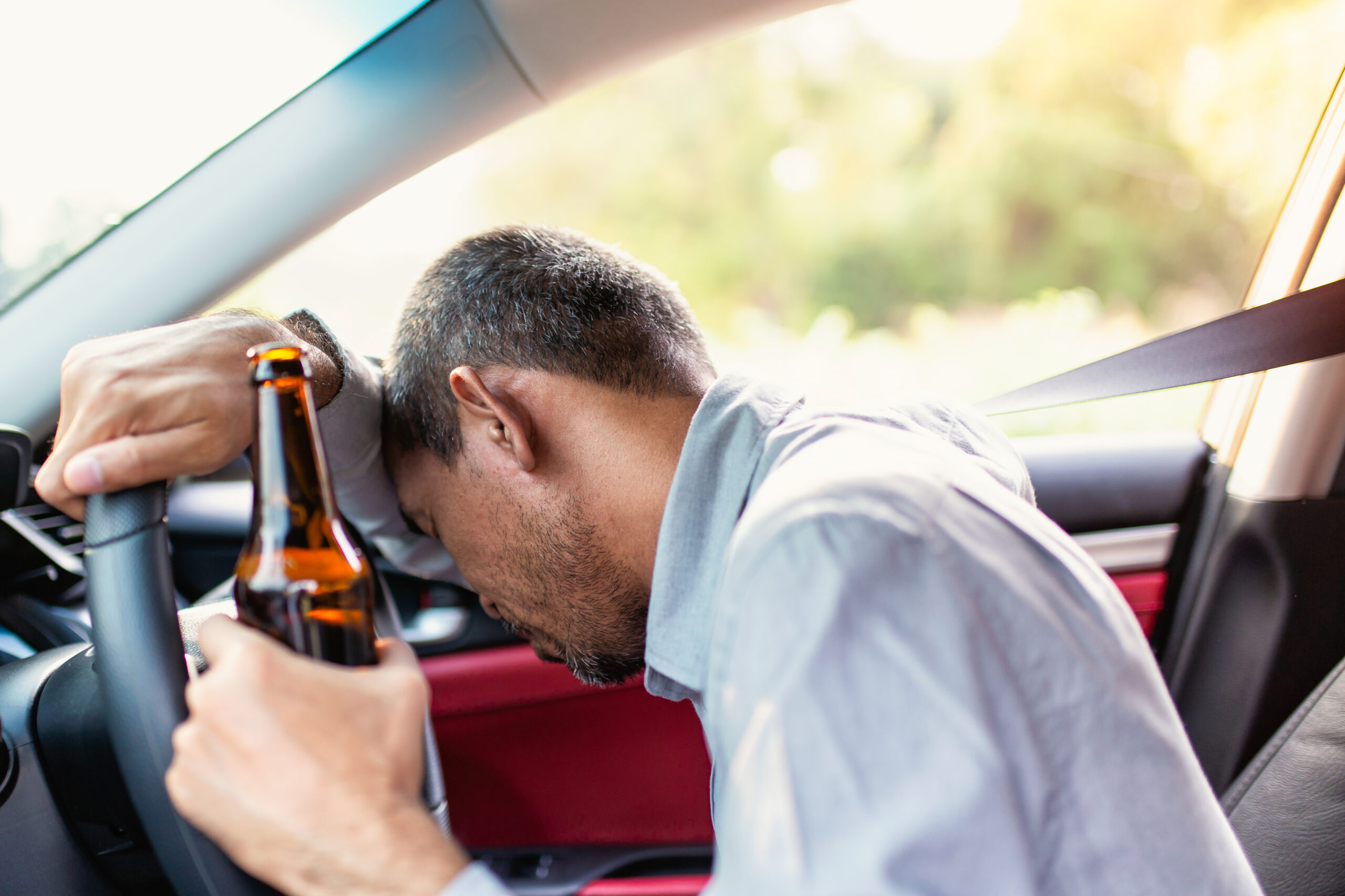
Drunk Driving Case Lawyer in Bangalore | Best Lawyer in Bangalore
Road safety enforcement in Bangalore has significantly intensified, especially after the 2019 amendments to the Motor Vehicles Act, 1988. Weekend checks, festival drives, and routine inspections are now a common sight across the city.
While the primary objective of these measures is to reduce accidents and fatalities, it is equally important for citizens to understand their legal rights and the procedures followed by traffic authorities. This awareness helps ensure accountability and protects individuals from misuse of power.
Legal Framework Governing Traffic Enforcement
Traffic regulation in Bangalore is managed by the Bangalore Traffic Police under the Karnataka State Police. Their authority is derived primarily from the Motor Vehicles Act, 1988.
What Constitutes Drunk Driving Under Law?
Drunk driving is governed by Section 185 of the Motor Vehicles Act.
An offence is committed when:
- Blood alcohol content exceeds 30 mg per 100 ml, OR
- The driver is under the influence of alcohol or drugs impairing control of the vehicle
Penalties (Post-2019 Amendments):
- First offence: Fine up to ₹10,000, imprisonment up to 6 months, or both
- Repeat offence: Higher fines, longer imprisonment, and possible license suspension
Procedure Followed by Police in Drink and Drive Cases
The law clearly outlines how enforcement must be carried out:
1. Stopping the Vehicle
Under Section 206, a uniformed police officer can stop a vehicle for inspection.
2. Breathalyzer Test
Under Section 203:
- Police can conduct a breath test using an approved device
- The reading serves as preliminary evidence
- The driver has the right to see and understand the result
3. Medical Examination
Under Section 204:
- If alcohol exceeds limits or the driver refuses the test
- A medical examination at a registered facility may be required
- This report becomes crucial court evidence
Drivers also have the right to request a medical test if they dispute the breathalyzer result.
Arrest and Constitutional Safeguards
If the offence is confirmed, police may arrest the driver without a warrant. However, constitutional protections apply:
- Under Article 22 of the Constitution of India:
The accused must be produced before a magistrate within 24 hours - Under Article 21 of the Constitution of India:
Any restriction on personal liberty must follow a fair and reasonable procedure
Seizure of Driving License
Under Section 206(2):
- Police can seize the driving license in serious offences like drunk driving
- A receipt must be issued
- The license is forwarded to the court or RTO
Important:
Seizure does not automatically mean cancellation. Proper legal procedure must be followed before disqualification.
Vehicle Detention Rules
- There is no automatic confiscation of the vehicle for drunk driving
- If the driver is incapable and no sober person is present:
- The vehicle may be temporarily detained or towed
Under Section 207:
- Vehicles may be detained for statutory violations (license, registration issues)
- Permanent confiscation only occurs through a court order
Difference Between Drunk Driving and Regular Traffic Violations
Drunk driving must be distinguished from routine violations such as:
- Helmet violations (Section 129)
- Signal jumping
- Overspeeding
- Dangerous driving (Section 184)
How Regular Violations Are Handled:
- Through fines and challans
- Use of camera-based enforcement systems
In Bangalore:
- Violations are captured via cameras
- E-challans are sent through SMS or registered address
Rights of Motorists in Traffic Violations
Motorists have several legal rights:
- Right to know the exact legal section of the offence
- Right to request photographic or video evidence
- Option to pay fines online via official portals
- Right to contest challans in court
- Protection against unofficial payments (receipt is mandatory)
Can You Avoid a Breath Test by Requesting a Challan?
No.
While camera-based enforcement is used for regular violations, drink and drive cases cannot be handled this way.
Reason:
- Intoxication must be determined on the spot
- It cannot be proven later through photographs or videos
Conclusion
Karnataka’s traffic enforcement system aims to balance public safety with individual rights. While police are empowered to act against violations, they are also bound by statutory and constitutional safeguards.
Citizens have the right to:
- Be treated with dignity
- Understand the charges against them
- Demand proper legal procedure
- Challenge allegations in court
Awareness of these rights not only promotes responsible driving but also ensures fair and transparent enforcement.
FAQs
1. What is the legal alcohol limit for driving in Karnataka?
30 mg of alcohol per 100 ml of blood is the legal limit.
2. Can police arrest for drunk driving without a warrant?
Yes, but they must produce the person before a magistrate within 24 hours.
3. Can I refuse a breathalyzer test in Bangalore?
Refusal can lead to a compulsory medical test and legal consequences.