
Welcome to the Era of Invisible Crime
Imagine this:
Riya, a 28-year-old marketing professional in Mumbai, gets a text message saying her electricity bill is overdue — “Pay now to avoid disconnection in 24 hours.”
Pressed for time, she clicks the link, enters her bank details — and within seconds, ₹96,000 vanishes.
No robbers. No weapons. Just a perfectly timed message and a little psychological manipulation.
Welcome to the world of cybercrime, where theft happens with a single click.
What Is Cybercrime, Really?
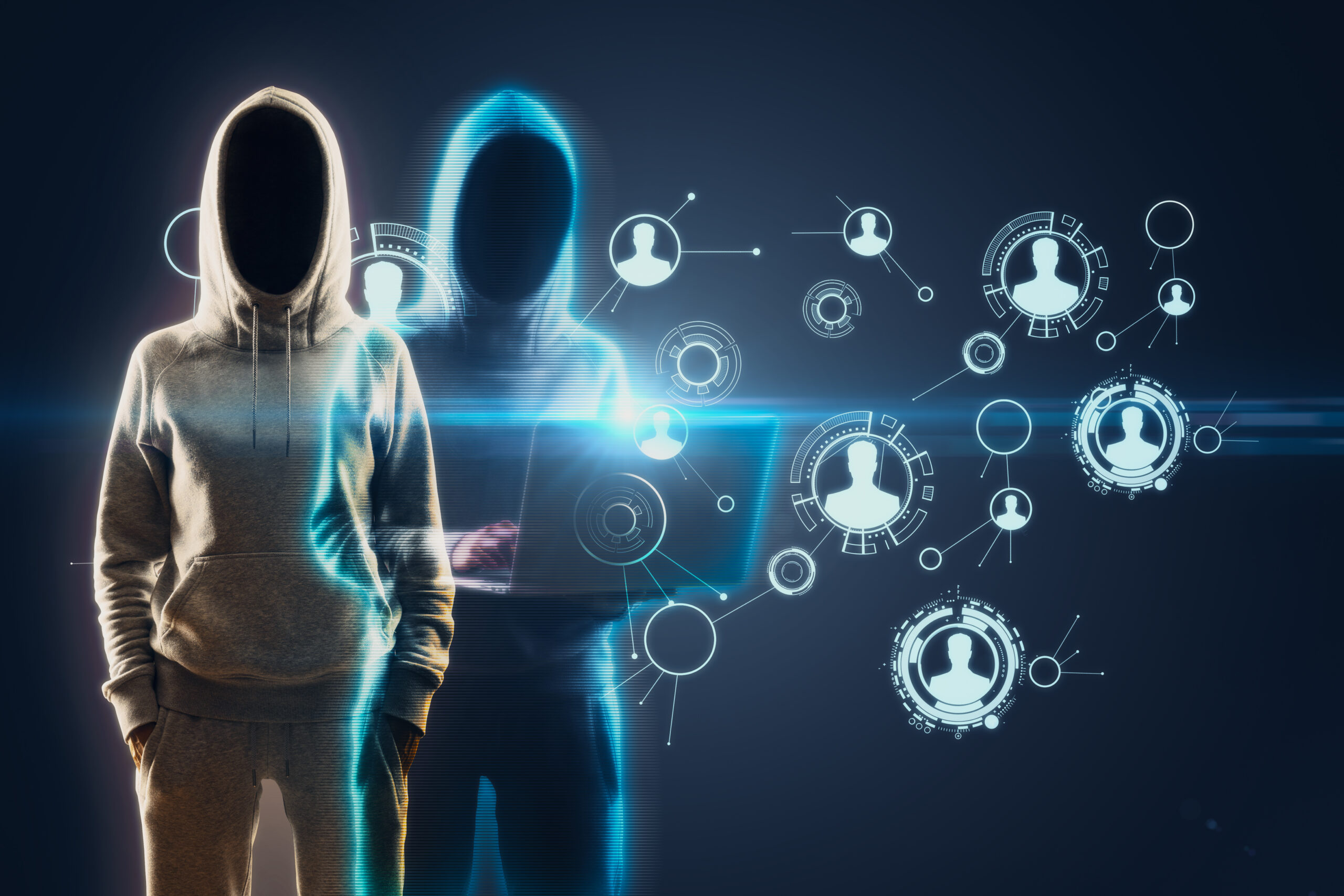
Cybercrime isn’t just a hooded hacker in a dark room. It’s manipulation, data theft, and deception, often targeted at ordinary people.
At its core, cybercrime includes any criminal activity involving a computer, network, or digital device — from phishing emails and stolen passwords to global ransomware attacks.
Today, everyone is a potential target.
Cybercrime can also extend into cyber terrorism, where cyberspace is used to commit acts of disruption or terror — through viruses, phishing, malware, or hacking attacks that cause large-scale harm.
Legal Framework: Cybercrime Under Indian Law
India addresses cybercrime primarily through the Information Technology Act, 2000 (IT Act) and related rules.
Here are the key provisions you should know:
- Section 66 – Unauthorized access or hacking into computers
- Section 66C – Identity theft and impersonation
- Sections 66D, 72, 67 – Phishing, data theft, and cyberstalking
- Section 66B – Cyber fraud and dishonest receipt of stolen property
- Section 67 – Publishing or sharing obscene content
These sections ensure that both individuals and organizations are held accountable for digital misconduct.
When Computers Become Tools of Crime
In most cybercrimes, the computer is the tool, not the target. These crimes often exploit human behavior rather than technical vulnerabilities.
Common examples include:
- Fraud and identity theft
- Phishing scams and spam
- Information warfare and cyber propaganda
- Online harassment and threats
- Distribution of obscene or illegal content
Even traditional scams like impersonation or extortion have now found their way into the digital world — faster, stealthier, and harder to trace.
Cyber Crime Lawyer in Bangalore
The “Friend in Need” Trap: A Social Media Scam
Ravi, a college student from Karnataka, receives a frantic message on social media — supposedly from his best friend stuck in Mumbai, asking for money.
Sensing something off, Ravi calls his friend, only to discover his account had been hacked.
This simple trick — known as social media impersonation — is one of the fastest-growing cyber frauds.
Emerging Threats You Should Know About
1. Deepfake Scams
AI-generated deepfakes can clone voices and faces with shocking accuracy.
In one case, a UAE bank manager authorized a $35 million transfer after a call from someone who sounded exactly like his boss. It was fake.
Deepfakes can be used for:
- Impersonating CEOs or executives
- Spreading fake news or defamatory videos
- Tricking victims into financial transfers
2. QR Code Fraud
QR codes are everywhere — from cafes to parking meters. But these invisible links can lead you straight into a scam.
Fraudsters can:
- Stick fake QR codes over real ones
- Embed malware in phishing emails
- Print deceptive QR codes on delivery packages
3. SIM Swapping
Attackers convince telecom providers to issue a duplicate SIM linked to your number.
Once they have it, they can:
- Receive your OTP and 2FA codes
- Reset your passwords
- Access your bank, email, and social media accounts
Related Case Laws
State of Tamil Nadu v. Suhas Katti (2004)
India’s first conviction for cyberstalking under Sections 67 & 66A of the IT Act. It set a precedent that harassment via digital platforms carries legal consequences.
Shreya Singhal v. Union of India (AIR 2015 SC 1523)
The Supreme Court struck down Section 66A of the IT Act for being vague but emphasized that balanced, clear cyber laws are crucial to protect both freedom and security.
Simple Ways to Protect Yourself — Starting Today
1. Never Click on Suspicious Links
- Hover before clicking: Preview the link destination.
- Spot misspellings: “paypa1.com” ≠ “paypal.com”.
- Ignore urgency: “Your account will be blocked in 12 hours!” is a classic scam tactic.
2. Don’t Share Personal or Financial Details
Banks, government agencies, and trusted services never ask for:
- OTPs
- PINs
- CVV numbers
- Passwords
When in doubt, call official customer support directly from the number listed on your card or the company’s website.
3. Report Suspicious Activity Immediately
- Save your bank’s 24/7 helpline.
- Contact the Cyber Fraud Helpline (1930).
- File complaints at www.cybercrime.gov.in.
RBI Guidelines:
- Digital Payment Security Controls (2021): Mandates multi-factor authentication and timely cyber incident reporting.
- Charter of Customer Rights: Protects customers from unauthorized transactions if reported promptly.
- PPI Directions: Ensures strict KYC norms for wallets and prepaid systems.
4. Enable Alerts & Review Accounts Weekly
- Turn on SMS and email alerts for all banking activity.
- Review bank statements weekly.
- Report unknown transactions immediately — many banks can reverse fraudulent charges within a short window.
Conclusion: Be Alert, Not Afraid
Let’s face it — the internet is a wild jungle. There are cat videos on one side, and somewhere in between, a hacker trying to steal your OTP.
In today’s world, cybercriminals don’t break into banks — they break into minds.
They don’t need crowbars; just a convincing “Dear Customer” email.
So, here’s your digital survival mantra:
Be skeptical like a cat inspecting a cucumber.
Trust links like you’d trust a free lunch from a shady alley.
And if your “boss” calls at 2 a.m. asking for Bitcoin — call them back first.
Cybersecurity isn’t paranoia; it’s digital common sense.
Lock your accounts the way you’d lock your home.
Stay smart, stay safe — and for the love of memes, never share your OTP, even if it sounds like Amitabh Bachchan asking for it.
Disclaimer: This blog is for general informational purposes only and does not constitute legal advice. Privacy laws may vary based on circumstances and jurisdiction. Readers are advised to consult a qualified legal professional, such as Bisani Legal, for specific advice regarding data protection, privacy rights, or related legal concerns.
