
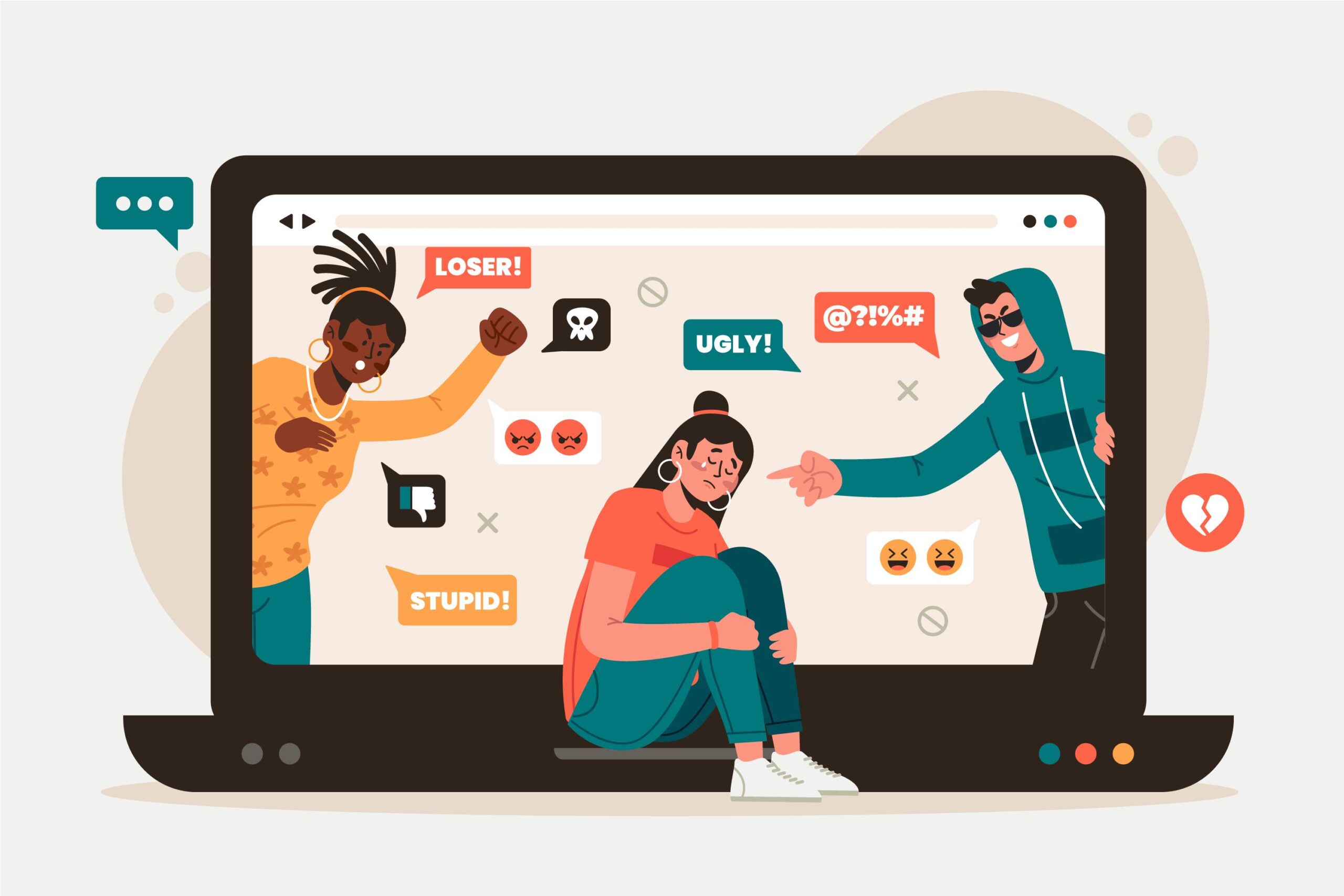
In today’s digital age, a single post, comment, or image can spread faster than truth itself. Keyboards can destroy reputations, and screens often become tools of mass humiliation. Cyber harassment and online shaming have emerged as serious threats to privacy, dignity, and mental well-being in India.
However, the Indian legal system has not remained silent. Over the years, it has evolved into a strong protective framework that empowers victims and ensures offenders face real consequences.
This blog explains what cyber harassment is, the laws that protect you, and the legal remedies available in India.
Understanding Cyber Harassment and Online Shaming
Cyber harassment refers to any threatening, intimidating, abusive, or bullying behaviour carried out through digital platforms such as social media, emails, messaging apps, or websites.
Online shaming, a form of cyber harassment, involves the deliberate public humiliation of a person to cause emotional distress, reputational damage, and social isolation.
Common forms include:
- Cyberbullying and online trolling
- Digital stalking and repeated unwanted contact
- Morphed images and deepfake content
- Hate campaigns and character assassination
- Impersonation and fake profile creation
These acts often leave long-lasting psychological and social scars on victims.
Legal Framework Against Cyber Harassment in India
Constitutional Protection: Right to Privacy
The foundation of protection against cyber harassment lies in the landmark judgment of K.S. Puttaswamy vs. Union of India (2017) 10 SCC 1, where the Supreme Court declared privacy as a fundamental right under Article 21 of the Constitution.
The Court recognised that privacy includes:
- The right to be left alone
- Protection from unwanted intrusion into personal life
This judgment forms the constitutional backbone for laws addressing cyber harassment and online shaming.
Cyber Harassment Lawyer in India
The Information Technology Act, 2000
The IT Act, 2000 is India’s primary law dealing with cyber offences. Several sections directly address online harassment.
Section 66C – Identity Theft
This section deals with the fraudulent use of another person’s digital identity.
Punishment:
- Imprisonment up to 3 years
- Fine up to ₹1 lakh
Applicable when:
- Someone misuses your name, photos, passwords, or digital credentials
Example:
A person creates a fake social media account using your name and photos to harass or defame others.
Section 66D – Cheating by Impersonation Using Computer Resources
This provision targets cheating through digital impersonation.
Punishment:
- Imprisonment up to 3 years
- Fine up to ₹1 lakh
Applicable when:
- Fake profiles or email IDs are used to deceive others
Example:
A harasser pretends to be you online and tricks people into sharing money or sensitive information.
Section 66E – Violation of Privacy
One of the most important provisions for victims, especially in revenge porn cases.
Punishment:
- Imprisonment up to 3 years
- Fine up to ₹2 lakhs
Covers:
- Non-consensual capture, publication, or transmission of private images or videos
Example:
An ex-partner uploads your intimate photos online without consent.
Section 67 – Publishing Obscene Material Online
This section addresses the circulation of obscene content electronically.
Punishment:
- First offence:
- Imprisonment up to 3 years and fine up to ₹5 lakhs
- Subsequent offence:
- Imprisonment up to 5 years and fine up to ₹10 lakhs
Important Note on Section 66A
Section 66A of the IT Act was struck down by the Supreme Court in Shreya Singhal v. Union of India (2015) 5 SCC 1 for violating freedom of speech under Article 19(1)(a).
However, other sections of the IT Act remain fully valid and effective for dealing with cyber harassment.
Bharatiya Nyaya Sanhita, 2023 (New Criminal Law)
With the replacement of the IPC, the Bharatiya Nyaya Sanhita (BNS), 2023 strengthens remedies against online abuse.
Section 356 – Defamation
(Replaces IPC Section 500)
Punishment:
- Imprisonment up to 2 years
- Or fine
- Or both
Applicable to:
- Online defamation and character assassination through digital platforms
Section 75 – Assault or Criminal Force to Woman With Intent to Outrage Modesty
Punishment:
- Imprisonment up to 2 years
- Or fine
- Or both
This section offers enhanced protection against gender-based cyber harassment.
Section 78 – Stalking (Including Cyberstalking)
This section explicitly includes monitoring a woman’s online activity despite her clear disinterest.
Applicable when:
- Repeated tracking of emails, social media, or electronic communication
Section 79 – Insulting the Modesty of a Woman
Punishment:
- Imprisonment up to 1 year
- Or fine
- Or both
Covers inappropriate messages, comments, gestures, or acts online.
Key Judicial Decisions on Cyber Harassment
Shreya Singhal v. Union of India (2015)
The Supreme Court struck down Section 66A for being vague and unconstitutional, while clarifying the boundaries of lawful online expression.
Manik Taneja v. State of Karnataka (2015)
The Court ruled that mere criticism of public authorities, without threats or intimidation, does not amount to a criminal offence—balancing free speech and protection from harassment.
SMC Pneumatics Pvt. Ltd. v. Jogesh Kwatra (2001)
India’s first cyber defamation case, where the Delhi High Court granted an injunction restraining abusive emails, setting a strong precedent for online harassment remedies.
Institutional Mechanisms and Support Systems
Victims of cyber harassment can seek help through the following channels:
1. National Cyber Crime Reporting Portal
- Website: cybercrime.gov.in
- Central platform for reporting online harassment and shaming incidents
2. National Commission for Women (NCW)
- Provides immediate support for women facing gender-based cyber harassment
3. Cyber Crime Cells
- Dedicated cyber units in police departments across India
- Equipped with technical expertise to investigate digital crimes
Conclusion
While the digital world presents new challenges, India’s legal system continues to evolve to protect citizens from online abuse. By understanding the legal framework, knowing your rights, and acting promptly, you can fight back against cyber harassment and online shaming.
The battle for a safer internet is ongoing—but with awareness, legal knowledge, and the right support, victims are no longer powerless.
Disclaimer: This blog is for general informational purposes only and does not constitute legal advice. Privacy laws may vary based on circumstances and jurisdiction. Readers are advised to consult a qualified legal professional, such as Bisani Legal, for specific advice regarding data protection, privacy rights, or related legal concerns.
