
GDPR advisory Lawyer in Bangalore
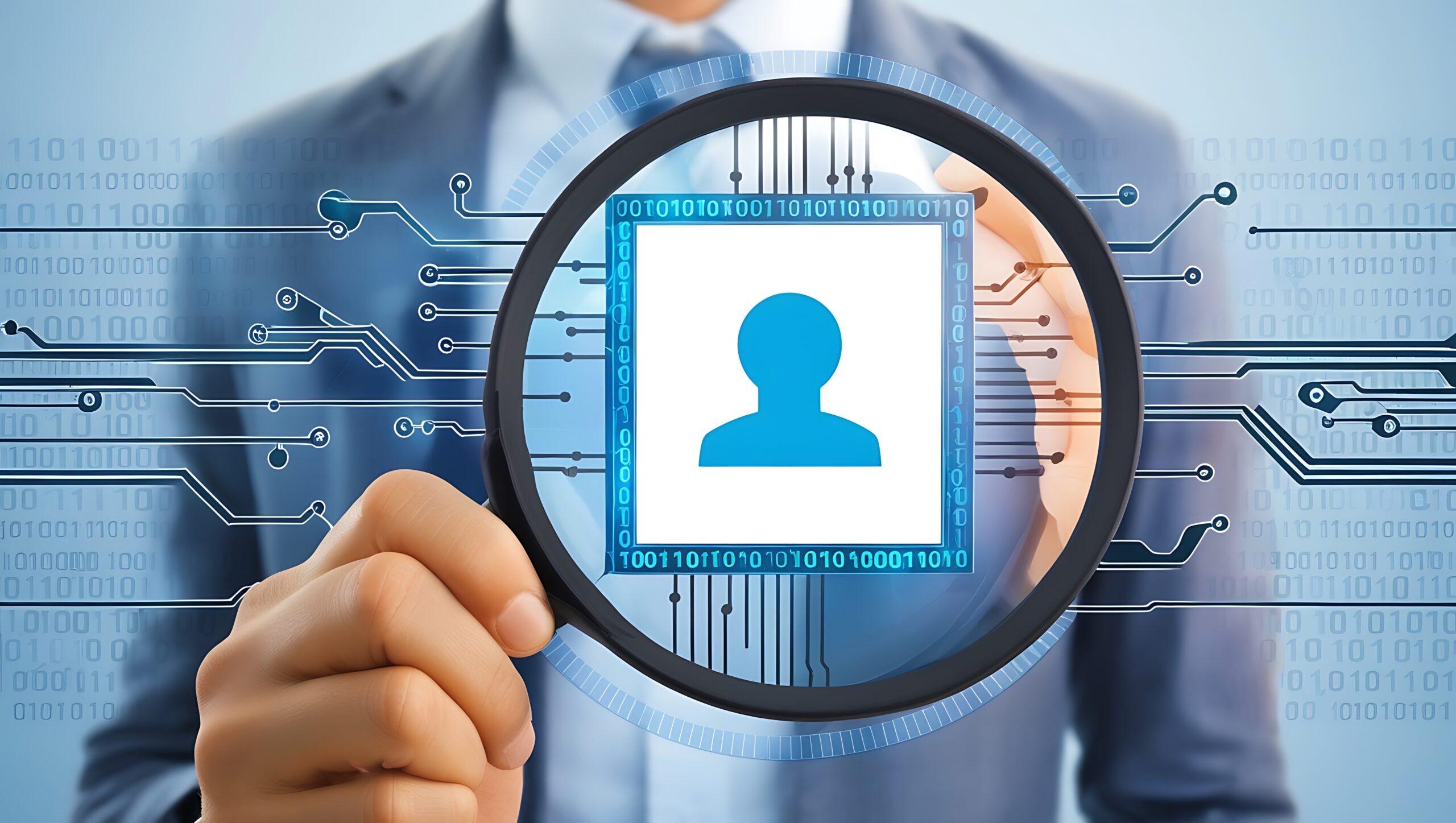
In today’s hyper-connected world, personal data has quietly become one of the most valuable resources. Every online transaction, mobile app download, website registration, or digital payment involves sharing pieces of information that reveal who we are. This information, commonly known as Personally Identifiable Information (PII), sits at the center of modern privacy debates and global regulatory reforms.
Understanding PII is no longer optional. It is essential for individuals, businesses, and policymakers navigating the digital ecosystem.
What Is Personally Identifiable Information (PII)?
PII broadly refers to any data that can be used to identify, contact, or trace an individual, either on its own or when combined with other data.
Obvious examples include names, passport numbers, driver’s license details, Aadhaar numbers, or other government-issued identification numbers. However, PII goes far beyond these traditional identifiers. It also includes email addresses, phone numbers, dates of birth, IP addresses, device identifiers, and even social media handles.
As digital systems become more advanced, the boundaries of what qualifies as PII continue to expand. Data that once seemed harmless can now reveal far more when analyzed using modern data analytics and artificial intelligence tools.
Direct vs. Indirect Identifiers
One of the most important distinctions in understanding PII is between direct and indirect identifiers.
Direct Identifiers
Direct identifiers are data points that can identify an individual with little or no additional context. Examples include:
- Passport numbers
- Biometric identifiers such as fingerprints or facial recognition data
- Unique identification numbers
Because these data points directly reveal identity, they are subject to strict regulation under most data protection laws. Unauthorized disclosure can lead to identity theft, financial fraud, or severe privacy violations.
Indirect Identifiers (Quasi-Identifiers)
Indirect identifiers may not identify a person on their own, but when combined with other information, they can become highly revealing.
For example, a person’s date of birth, gender, and postal code may appear generic individually. However, research has shown that combining these three data points can uniquely identify a large percentage of individuals in certain populations.
The risk lies not in one isolated piece of information, but in how easily multiple datasets can be merged in today’s digital environment. Data aggregation significantly increases privacy vulnerabilities.
Sensitive vs. Non-Sensitive PII
Another key classification of PII is the distinction between sensitive and non-sensitive personal data.
Sensitive PII
Sensitive PII refers to information that could cause serious harm if exposed. This includes:
- Financial account details
- Medical records
- Biometric data
- Passwords and authentication credentials
- Government identification numbers
Exposure of sensitive PII can result in financial loss, identity theft, discrimination, reputational damage, or psychological distress. For this reason, global regulations such as the General Data Protection Regulation (GDPR) and the California Consumer Privacy Act (CCPA) mandate enhanced safeguards. These include encryption, strict access controls, data minimization, and mandatory breach notification requirements.
Non-Sensitive PII
Non-sensitive PII typically includes data that is publicly available or routinely shared, such as:
- Names
- Email addresses
- Employment information
- Educational background
Although disclosure of non-sensitive PII may not immediately appear harmful, it becomes dangerous when aggregated. Cybercriminals frequently use such information for social engineering, phishing scams, impersonation, and profiling. This demonstrates that no category of personal data is entirely risk-free in the digital age.
Why PII Matters More Than Ever
The significance of PII today stems from the unprecedented scale at which it is collected, stored, and processed. Organizations rely heavily on personal data for:
- Personalized services and targeted advertising
- Data analytics and business intelligence
- Customer relationship management
- Fraud detection and risk assessment
At the same time, individuals often exchange privacy for convenience, sometimes without fully understanding the long-term implications of sharing their data.
This imbalance between data collection and individual awareness has prompted governments worldwide to implement comprehensive privacy frameworks aimed at restoring control to individuals and ensuring accountability for organizations.
PII, Autonomy, and Digital Dignity
PII is not merely a technical classification or a legal term. It is closely tied to personal autonomy, dignity, and freedom in the digital world. The misuse of personal data can restrict opportunities, influence decisions, and undermine trust in digital systems.
Understanding what constitutes PII, how it can be combined and misused, and why it requires protection is the first step toward meaningful privacy compliance and responsible digital behavior.
In an era where data drives economies and technologies shape daily life, safeguarding Personally Identifiable Information is no longer optional. It is fundamental to protecting individual rights and maintaining trust in the digital age.
Disclaimer: This blog is for general informational purposes only and does not constitute legal advice. Privacy laws may vary based on circumstances and jurisdiction. Readers are advised to consult a qualified legal professional, such as Bisani Legal, for specific advice regarding data protection, privacy rights, or related legal concerns.