

Ever wondered what would happen if Siri and Barbie had a baby—and that virtual bundle of joy grew up to steal your Instagram followers, launch a fashion line, and never worry about a bad hair day? Welcome to the dazzling (and slightly hilarious) world of AI influencers!
In a universe where WiFi is mightier than the sword and pixels pack more clout than paparazzi, these digital divas and chatbot heartthrobs rule the scene. Forget gym selfies and green juices—AI influencers never miss Pilates, never lose luggage on brand trips, and can switch avatars faster than you can escape morning traffic.
What Exactly Are AI Influencers?
AI influencers are virtual personalities crafted entirely through artificial intelligence, CGI (computer-generated imagery), and digital design. Unlike human influencers, every aspect of their identity—looks, backstory, and even quirks—is engineered by creative teams, programmers, and marketers.
With hyper-realistic visuals and AI-powered engagement, fans can easily forget (or never realize) these personalities aren’t real. Their posts spark conversations, attract millions of likes, and build loyal fandoms—all proving how seamlessly technology and creativity can redefine influence.
In short, AI influencers are the new digital celebrities: created, curated, and controlled entirely by tech.
What Makes AI Influencers Unique?
✨ Distinctive Appearances: From neon-blue hair to flawless symmetry, their looks are limited only by imagination.
📖 Invented Backstories: An eco-warrior from the future? A jet-setting fashionista? A relatable student? Every AI influencer comes with a brandable, custom-designed story.
💬 Interactive Abilities: They can reply to comments, host Q&As, review products, and even stir up drama—just like human influencers, only powered by algorithms.
Where Do These Digital Butterflies Hang Out?
- Instagram: Their playground for picture-perfect brunches, couture shoots, and flawless “candids.”
- TikTok: Quick dances, viral challenges, and collabs humans would envy.
- YouTube: Unboxings, day-in-the-life vlogs, and Q&As—all with a CGI sparkle.
The Dark Side of AI Influencers
As glamorous as they seem, AI influencers come with serious challenges:
- Lack of Authenticity & Emotional Depth
They can’t feel heartbreak, grow through struggles, or share lived experiences—making them less relatable. - Ethical and Legal Grey Zones
- Who owns an AI influencer’s likeness?
- Who is responsible if they spread misinformation?
- Is it misleading if audiences don’t realize they’re fake?
For now, transparency is the only safeguard.
- Who owns an AI influencer’s likeness?
- Technical Barriers & Bias
Building one requires immense resources and expertise. Plus, AI risks embedding biases or producing offensive content that could spark PR crises.
The Flip Side: Tech Failures & Their Fallout
Even the most advanced systems can collapse. The Microsoft-CrowdStrike incident (July 2024) proved that not even cybersecurity leaders are immune to catastrophic blunders. For AI influencers, such failures could shatter credibility overnight.
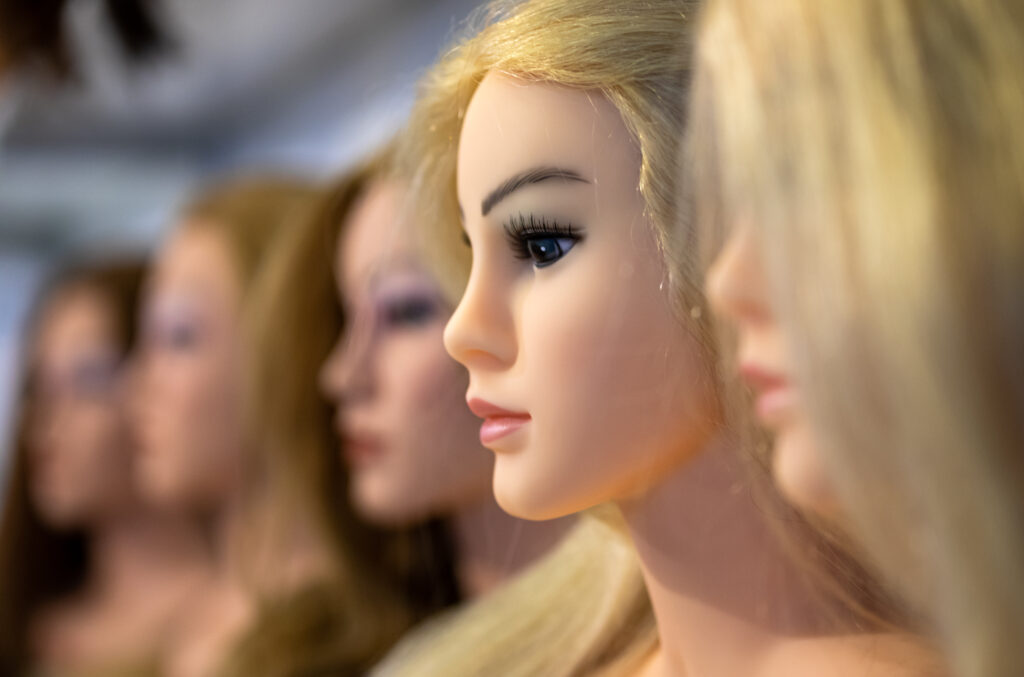
Meet Barbie: More Than Just a Doll
Barbie isn’t just a doll—she’s a global icon, trendsetter, and courtroom warrior.
Launched by Mattel in 1959, Barbie has been everything from astronaut to CEO, inspiring generations while sparking debates on beauty standards. But behind the glamour lies a history of intellectual property (IP) battles that shaped her survival.
Barbie in Court: A Spark of Legal Drama
Mattel’s biggest legal claim? Copyright infringement.
They argued Barbie’s sculptural facial features—her nose, eyes, lips, and evolving face designs—were original artistic creations worth copyright protection.
In Mattel v. Goldberger Doll Manufacturing, the Second Circuit sided with Mattel, reinforcing the idea that even mass-produced toys can have unique, protectable designs.
Why This Case Matters for IP Law
- Sets Boundaries: Companies will fiercely defend iconic designs.
- Defines Originality: Unique visual features—even in toys—can qualify for protection.
- Multiple Avenues of Enforcement: From customs to courts, companies can keep fakes out globally.
IP Laws: The Real Sparkle Behind Barbie
Barbie’s legal victories show that protecting creativity isn’t about blocking knockoffs—it’s about celebrating bold ideas that transform toys into legends.
Without strong IP laws, even Barbie could fade into a sea of copycats. That’s why whether you’re a global toy giant or a startup dreamer, remember: protecting your ideas is always in style.
Final Thoughts
AI influencers may be the new frontier of digital stardom, but their rise also raises pressing legal and ethical questions. Meanwhile, Barbie’s story proves that law and creativity are forever intertwined—without protection, icons can lose their shine.
So the next time you scroll past a flawless AI avatar or see Barbie saving the world in a pink convertible, remember: behind the sparkle lies tech, law, and innovation working overtime.
Published by: Mr. Saket bisani
Date: 29/08/2025
